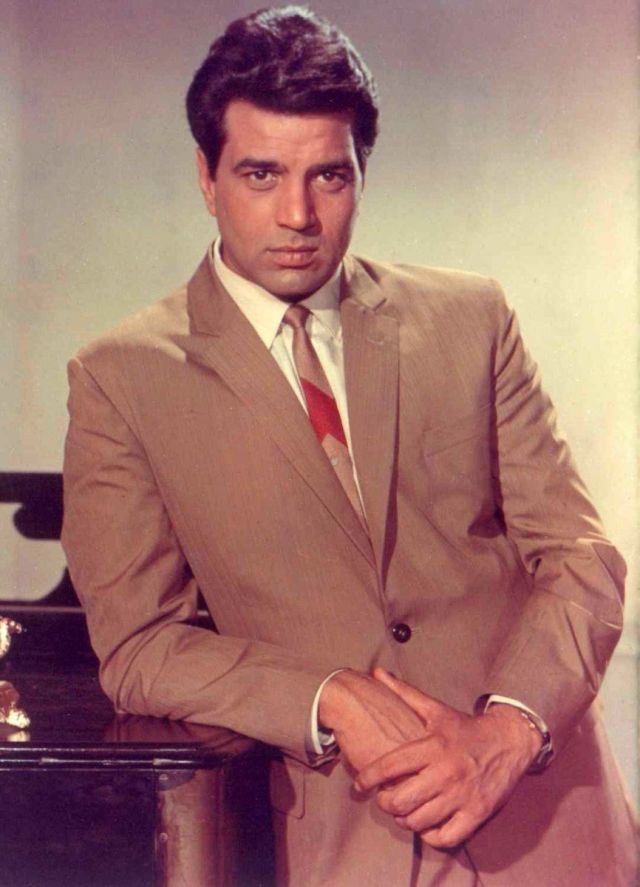







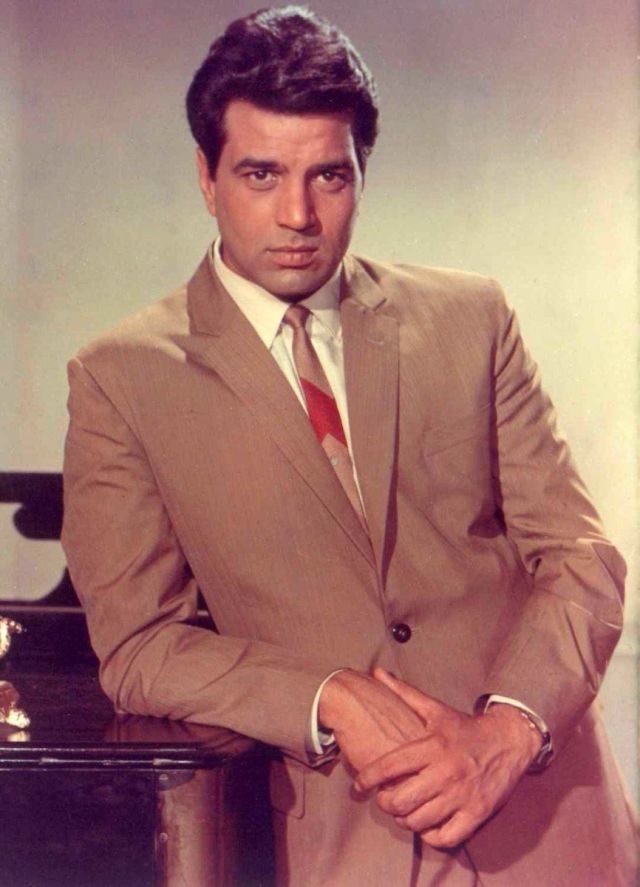
Dharmendra arrived in Indian cinema like a weather system: warm, masculine, faintly unpredictable. For nearly six decades he embodied a form of Hindi-film heroism that combined the physical confidence of a frontier cowboy with the emotional accessibility of the Punjabi patriarch. His death closes a chapter in Bollywood’s long transition from studio-era melodrama to mass-market mythology.
Born Dharam Singh Deol in rural Punjab in 1935, he belonged to the first generation of Indian stars shaped not by aristocratic polish or theatrical lineage, but by post-independence aspiration. India in the 1960s was still discovering what modern celebrity looked like. Dharmendra supplied one answer: broad-shouldered, soft-eyed and unmistakably provincial, he appeared less manufactured than many of his contemporaries. If earlier stars resembled poets or princes, Dharmendra looked like a man who could repair a tractor.
His rise was improbably democratic. According to industry folklore, he entered films after winning a talent contest organised by a film magazine. In Bombay, where lineage mattered, he arrived without pedigree, English polish or metropolitan ease. Yet audiences recognised something in him immediately. He possessed the rare cinematic quality of seeming both larger than life and entirely reachable.
His early roles in films such as Bandini and Anupama revealed a surprisingly restrained actor, capable of tenderness and melancholy. But it was action cinema that made him immortal. In the 1970s, as Indian politics grew harsher and public faith in institutions weakened, Hindi films increasingly celebrated physical courage over moral sermonising. Dharmendra adapted effortlessly. He punched villains, leapt from trains and delivered threats with a grin suggesting violence might merely be another form of flirtation.
His defining performance came in Sholay (1975), India’s most enduring popular film. As Veeru, the lovable rogue opposite Amitabh Bachchan’s taciturn Jai, Dharmendra became the emotional centre of a national epic. The film fused westerns, buddy comedies and revenge drama into something unmistakably Indian. Generations memorised his comic scenes as readily as his action sequences. In a country fragmented by language and caste, Sholay achieved the cultural ubiquity once reserved for scripture and folklore.
Yet Dharmendra’s appeal exceeded stardom. He represented a particular social migration: the rural Indian entering urban modernity without surrendering sentiment. On screen he could seduce glamorous heroines while preserving the moral simplicity of a village son. Off screen, his marriage to the actress Hema Malini—after converting to Islam to circumvent Hindu marriage laws—generated scandal without permanently damaging his popularity. Indians forgave stars who reflected their contradictions honestly.
Critics rarely ranked him among India’s most sophisticated actors. That was partly because sophistication itself became suspect in the populist cinema he dominated. Dharmendra’s genius lay elsewhere. He understood instinctively that Hindi films were not exercises in realism but instruments of emotional reassurance. Audiences wanted courage, romance, filial loyalty and comic relief compressed into a single body. He delivered all four.
In later years he mellowed into a national elder: jocular on television, sentimental in interviews and periodically reunited onscreen with his sons, Sunny and Bobby Deol, heirs to a shrinking tradition of hereditary stardom. His weathered face acquired the poignancy of an ageing republic recalling its more innocent ambitions.
Dharmendra belonged to the era when Bollywood heroes were expected not merely to entertain India, but to console it. He did so with fists, charm and an almost agricultural sincerity. In the crowded pantheon of Hindi cinema, he remained reassuringly human.