





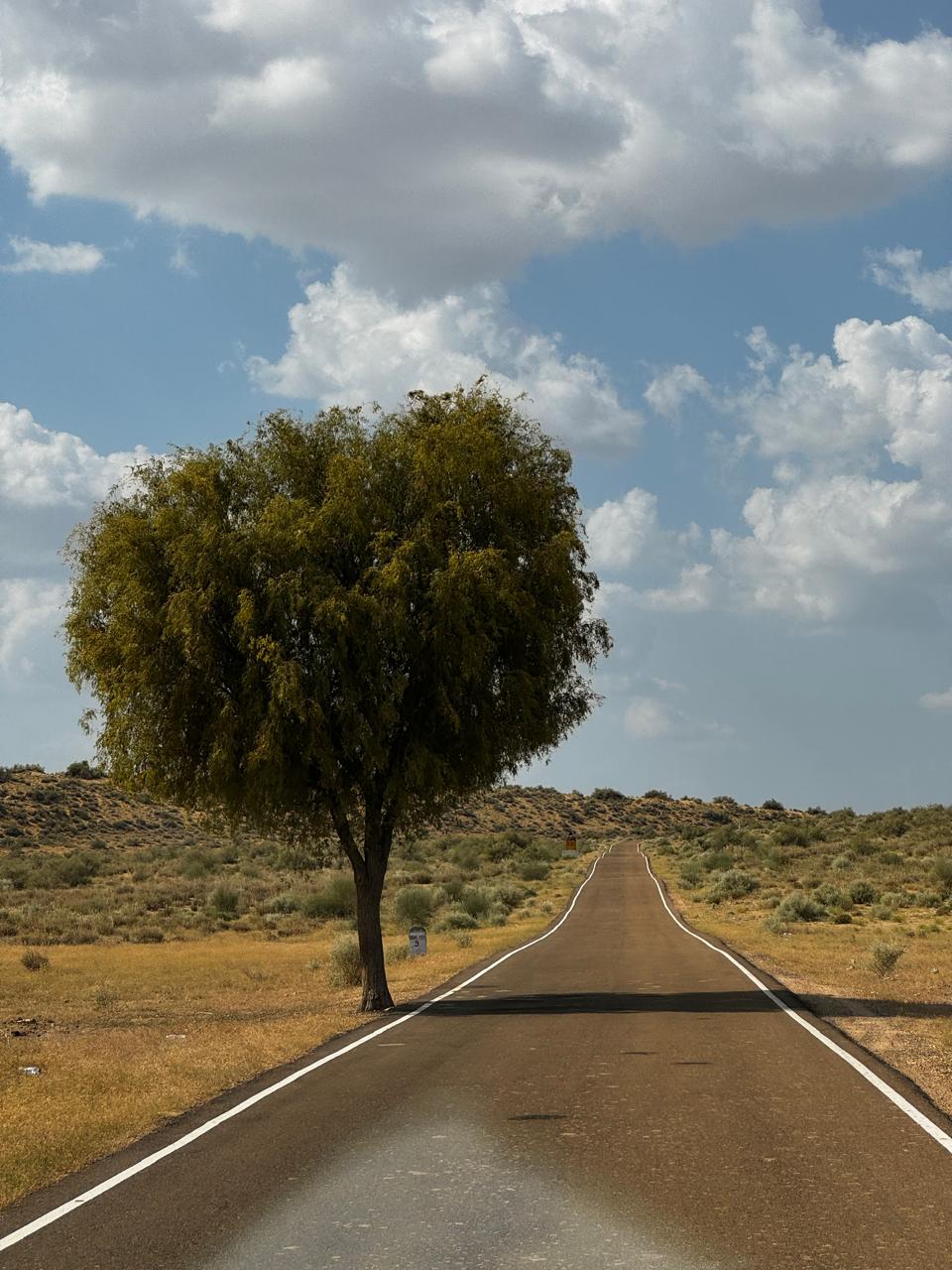

The best way to celebrate India’s Independence Day is to leave your assumptions behind—and hit the road.
As India approaches its 79th Independence Day on 15 August 2026, it is tempting to celebrate with familiar rituals: flag hoisting, patriotic songs, speeches, and social media tributes. These traditions matter. But if one wishes to understand what India has become after nearly eight decades of freedom, there is a better way.
Travel.
Not as a tourist chasing monuments, but as a curious observer crossing states, languages, landscapes, and lives.
India is perhaps the world’s most improbable democracy. It is home to more than a billion people, hundreds of languages, every major religion, and an economy that now stretches from artificial intelligence laboratories to handloom villages. Foreign observers often struggle to explain how such diversity continues to function within one constitutional framework. Indians, meanwhile, often fall into a different trap: believing they already know their own country.
Most do not.
The India seen through television debates and social media algorithms is loud, angry, and endlessly polarised. Yet the India encountered on highways, railway platforms, tea stalls, village schools, start-up hubs, temples, mosques, churches, monasteries, and local markets is far more nuanced. It is argumentative without always being hostile, ambitious without forgetting tradition, and optimistic despite its frustrations.
A journey from Leh to Kanyakumari, from Kutch to Kohima, reveals not one India but many. Farmers discuss weather apps with the same ease as crop prices. Young entrepreneurs in Jaipur dream of exporting local crafts globally. Fishermen in Kerala monitor digital payments. Tribal communities preserve ancient customs while sending children to engineering colleges. The contradictions are not flaws; they are the country’s defining strength.
India’s greatest achievement since 1947 is not merely economic growth or military power. It is the quiet expansion of opportunity. Roads now reach remote districts once cut off by geography. Millions have entered the banking system. Digital infrastructure has connected villages to global markets. A generation born after liberalisation takes entrepreneurship for granted in ways their grandparents could scarcely imagine.
Yet the journey remains unfinished.
Cities battle pollution and congestion. Rural distress persists in many regions. Educational quality varies sharply. Courts move too slowly. Public institutions often struggle to keep pace with a rapidly changing society. Economic success has not erased inequality. These are challenges that deserve honest attention, not partisan slogans.
Travel makes those realities impossible to ignore.
It also corrects misconceptions. The North is more diverse than Southerners imagine. The South is more culturally varied than Northerners assume. The Northeast is not distant—it is simply underexplored. Kashmir is more than headlines, Rajasthan more than palaces, Bihar more than stereotypes, and the Andaman Islands more than beaches.
Perhaps that is India’s secret.
Unlike nations that seek uniformity, India has always preferred accommodation. It absorbs influences rather than eliminating them. Persian architecture stands beside Hindu temples. Portuguese churches coexist with Buddhist monasteries. Ancient Sanskrit survives alongside modern coding languages. Few civilizations have demonstrated such resilience through adaptation.
As the country marks 15 August 2026, patriotism should not only be measured by the volume of one’s slogans but by the depth of one’s curiosity. Visit a state you have never seen. Eat food you have never tasted. Listen to a language you do not understand. Speak to people whose politics differ from yours. Every kilometre travelled dissolves a stereotype.
The most meaningful Independence Day celebration may not be beneath a podium or behind a smartphone camera.
It may be behind the wheel of a car, on a train crossing the plains, or on a winding mountain road—discovering, once again, the extraordinary republic called India.
After seventy-nine years of independence, India’s greatest monument is not carved in stone.
It is the living, breathing journey of its people.